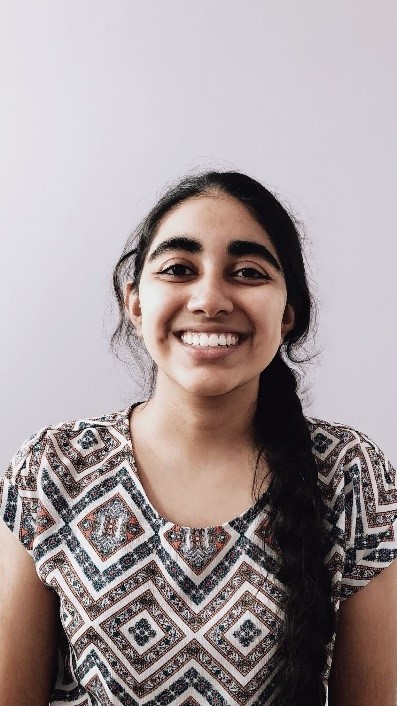
Carli Opland

Carli received her Ph.D. in Neuroscience in 2024 and is continued as a postdoc in the lab through 2025. Before coming to UNC for graduate studies, Carli received a B.S. in Cellular and Molecular Biology at California State University, Northridge. She worked with Dr. Randy Cohen studying the neurodegeneration of Purkinje cells from excitotoxicity by GABA receptor activation in an ataxic rat model. After graduating in May 2015, Carli joined Dr. Daniel Geschwind’s lab at UCLA as a staff research associate where she investigated the effects of overexpression of specific genes known to be involved in neurogenesis such as NGN2, FGFR2, and SOX5 in primary human neural progenitor cells. Now in Todd Cohen’s lab at UNC Chapel Hill, Carli is evaluating the role of a particular post-translational modification, tau cleavage by caspases, and its implications for Alzheimer’s disease. Outside of the lab, Carli enjoys baking, hanging out with her cat, running, eating cheese, and making craft cocktails.
Shannon Rhoads
Shannon received her PhD from the Neuroscience Curriculum in 2025. She graduated from the University of Maryland in 2016 with a degree in Microbiology. She worked as a Lab Manager in Dr. Frank Shewmaker’s Lab at Uniformed Services University, where she examined the biophysical characteristics of the Amyotrophic Lateral Sclerosis (ALS)-associated protein FUS in cell culture. She continued her ALS research through a co-mentorship with Sarah Cohen and Todd Cohen, studying the impact of ALS pathology on organelle contacts and dynamics.
Julie Necarsulmer
Julie is an MD/PhD student who completed the first two years of the UNC School of Medicine curriculum and then joined the Cohen Lab and the Cell Biology and Physiology Department in 2019. She defended in 2023. Julie graduated from Pomona College in 2015, where she studied neuroelectrophysiology and the molecular mechanisms of memory impairment in Alzheimer’s Disease. After graduating and before moving to North Carolina, Julie spent two years in Baltimore’s Biomedical Research Center working as an IRTA Fellow at the NIH’s National Institute on Drug Abuse. While there, she worked to develop and characterize novel genome engineering tools, such as CRISPR/Cas9 and AAV vector technology, to manipulate the rodent central nervous system with regional and cell-type specificity. She also worked on developing models of Parkinson’s Disease and HIV-associated Neurocognitive disorders. In the Cohen lab, Julie researched the role of aberrant TDP-43 species in proteostasis impairment in ALS, FTLD, and other age-related TDP-43 proteinopathies using in vivo and in vitro approaches based on a novel mouse model of disease. She investigated the interactions of ALS/FTLD-associated mutations in non-TDP-43 genes on TDP-43 aggregation. When not in the lab or clinic, Julie likes to spend her time outside walking, running, hiking, and biking. She is also a big fan of wine and cheese boards, and peanut butter and jelly sandwiches.
Arjun Deshmukh

Arjun is a Chapel Hill native who graduated from East Chapel Hill High before starting his undergraduate degree at UNC in 2023. He is a biology minor with a minor in neuroscience. Arjun’s project in the Cohen lab aims to understand the impact of HDAC6 activation on the aggregation of tau. Outside of the lab, Arjun enjoys going to concerts, playing ultimate frisbee, camping, and trying new foods.
Nicholas Zullo

Nicholas Zullo (he/him/his) is a graduate of UNC-Chapel Hill and worked as a Laboratory Technician in the Cohen Lab while pursuing his master’s at Duke University. He is very interested in neurodegenerative research, particularly ALS, and plans to either pursue research or attend medical school in the future. In his free time, he enjoys basketball, gaming, and working on cars.
Darien Campisi

Darien is a graduate student at NC State University, planning to graduate with her Master’s of Physiology in December 2022. She graduated from UNC Chapel Hill with a B.S. in Biology in May 2021 and has been in the lab since August 2021 as a research technician. In college, Darien gained clinical research experience at Johns Hopkins University, where she studied the genetic and environmental factors that influence appetite, and at UNC, studying the relationship between stress, inflammation, and physical activity. She also completed the Nathan Schnaper Intern Program in translational cancer research at the University of Maryland, Baltimore in 2019, where she worked to optimize the preparation of PEI-PEMA nanoparticles for gene therapy. In our lab, she uses in vitro models to study ALS pathology associated with defective cytoskeletal proteins. In the future, Darien hopes to become a physician and continue working in translational research.
Baggio Evangelista
Baggio studied in the Cohen Lab and received his Ph.D. from the Department of Cell Biology and Physiology in 2023. Before coming to UNC for graduate studies, Baggio received a B.S. in Molecular and Microbiology at the University of Central Florida (UCF). There he studied epigenetic regulation of alpha-synuclein in Parkinson’s disease in the laboratory of Dr. Yoon-Seong Kim. From there, Baggio collaborated with Dr. Dmitri Kolpashchikov in the UCF Department of Chemistry where he designed a biosensor for pathological alpha-synuclein. After graduating in May 2017, Baggio joined the lab of Dr. Kenneth Teter where he investigated the biochemical properties of a molecular chaperone, Protein Disulfide Isomerase, and its ability to disaggregate alpha-synuclein and amyloid beta fibrils as a pan-therapeutic for neurodegenerative proteinopathies. In his graduate studies and now as a post-doc, Baggio is investigating 1) a gene therapy strategy for eliminating ALS-associated TDP-43 proteinopathy in vivo using Protein Disulfide Isomerase and 2) T-cell-mediated neuroinflammation in ALS. In 2026, Baggio started his own lab across the hall as a professor at UNC.
Deepa Viswanathan Ajit
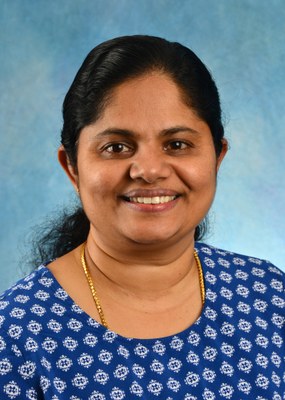
I received my PhD in Chemistry and Biochemistry from University of Missouri- St Louis, where I worked in the laboratory of Dr. Michael. R. Nichols. My broad research interests involve exploring the mechanism of neurological disorders and studies leading to a treatment. My initial postdoctoral research in Dr. Gary A. Weisman laboratory at University of Missouri-Columbia focused on investigating the role of P2Y2 purinergic receptor signaling pathways and mechanisms in AD pathogenesis. I joined Dr. Cohen’s research group at the University of North Carolina Chapel Hill in 2016. Currently in the Cohen lab, I am working on the post-translational modification of tau protein and elucidating its role in pathogenic mechanisms of neurodegenerative diseases. Outside of lab, I like gardening,hiking and badminton.
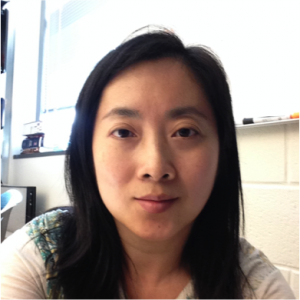
Ping Wang
I received my PhD degree in Genetics from North Carolina State University in 2009 under the direction of Dr. Robert Anholt. My PhD thesis project was focused on the identification of genetic variation in odorant binding protein genes that affect variation in olfactory behavior in response to different odorants in a large natural Drosophila population. After completion of my PhD degree, I worked as a postdoc at NCI and Duke to study the mechanisms of human diseases. In 2014, I joined Dr. Cohen’s lab at the University of North Carolina, Chapel Hill. Currently, my research focuses on TDP-43 acetylation in neurodegenerative diseases and related TDP-43 proteinopathies, in particular, (1) dissecting the pathological mechanism of TDP-43 acetylation in sporadic inclusion body myositis (sIBM) using cell culture and in vivo skeletal muscle systems (see publication for this work: Wang et al. Nature Communications 2017); (2) determining how and to what extent TDP-43 acetylation alters the muscle transcriptome using RNA-seq approach. (3) developing FTLD/ALS mouse model. During my spare time, I like Tabata workout, reading and cooking.
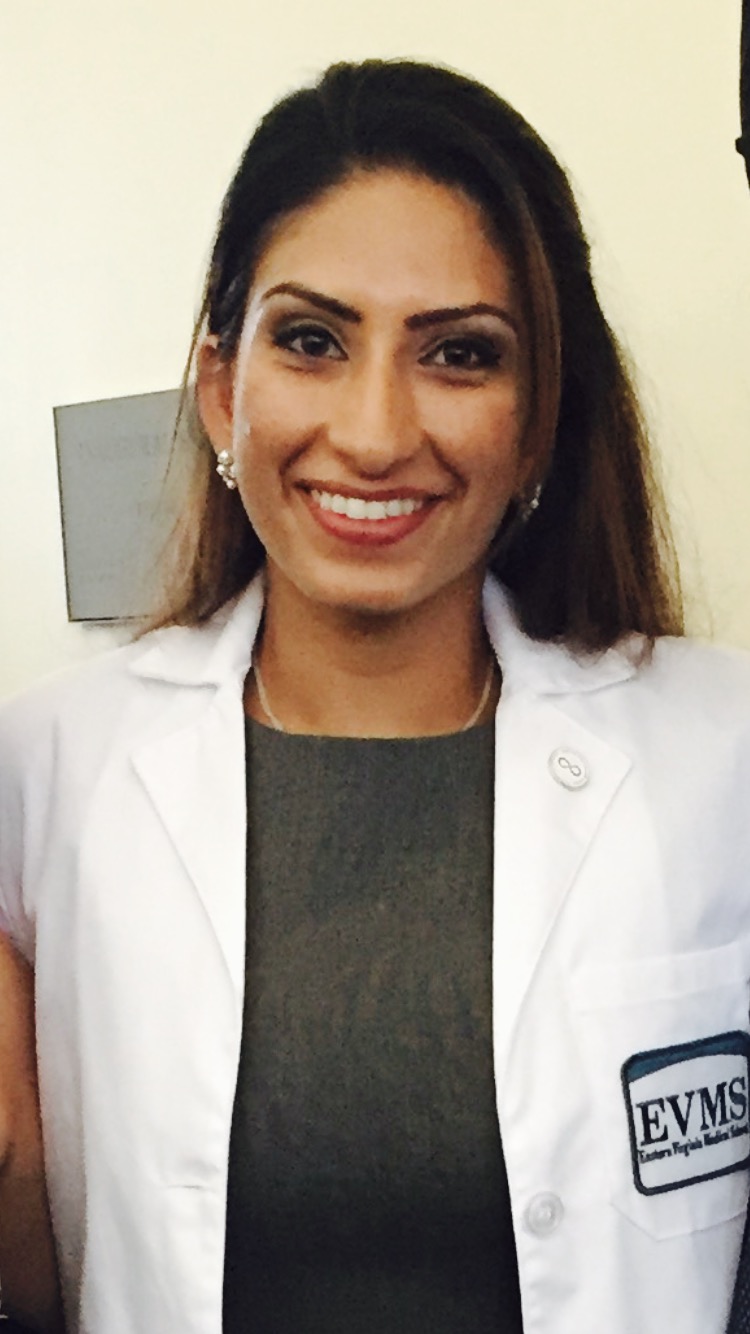
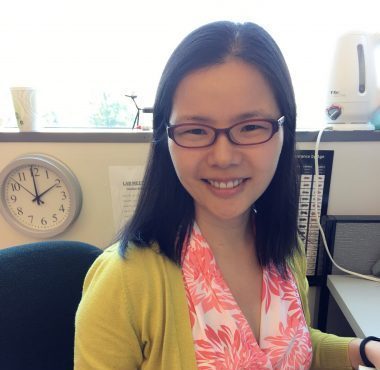
Bhavi Vohra
Bhavi graduated with a B.A. in Molecular and Cell Biology (minor in Global Poverty and Practice) from UC Berkeley in 2013. She was involved with genetics and neural development research in undergrad and went on to work in industry on genome sequencing at Illumina then with biosimilars at Celltheon in California. Bhavi recently received a Masters in Medical Science at Eastern Virginia Medical School in 2016 and is currently a second year medical student there. Bhavi is participating in UNC’s MSTAR program (Summer 2017) to pursue her interest in geriatrics, aging, and neurology. She is working with Henry Tseng on the post-translational modification of tau protein and its role in the pathogenic mechanisms of neurodegenerative diseases.